Johnny Was Embroidery, Appraised: Reading the Stitching Before You Buy
What the appraisal found
- Embroidered tops — Signature look
- Silk kimonos — Investment piece
- Partner storefront — Same catalog, sale entry
Comparison reflects the brand's own category structure and documented third-party price reviews, checked November 2026.
Johnny Was has spent nearly forty years selling one idea: clothing that looks like folk art and is priced like it too. Founded in 1987 in Southern California by Eli Levite — the name comes from the Bob Marley song — the label built its reputation on machine embroidery in dense multi-color florals, then graduated through department-store wholesale, its own boutiques from 2010, and finally a $270 million acquisition by Oxford Industries in 2022. Today it sits alongside Tommy Bahama and Lilly Pulitzer on the same corporate shelf. That history matters for one practical reason: the embroidery is the product. Everything else — the silk, the cotton gauze, the boho silhouettes — is packaging for it.
If you are going to spend $200 to $400 on a blouse, the embroidery is what you should know how to inspect. The brand’s own storefront — johnnywas.com — groups the work under embroidered tops, dresses and collectible silk kimonos, and the same inspection applies across all of it.
What machine embroidery should look like up close
Machine embroidery is stitched by a programmed head moving in X and Y over fabric held taut on a frame. Done well, it reads as crisp lines with a slight sheen of thread lying flat. Done badly, it puckers the ground fabric, blurs the design’s outlines and shows the stabilizer between stitches. Four things tell you which one you are holding:
- Stitch density at the edges. Look at the boundary between a flower and the ground fabric. A well-digitized design changes direction cleanly, with underlay stitches you cannot quite see holding the fill flat. Blurred, woolly edges mean too few stitches — the design was cheapened at the digitizing stage, and no price can fix that.
- The ground fabric’s behavior. Embroidery adds weight and removes drape. On a cotton gauze blouse, the embroidered panels should hang almost as softly as the plain ones; stiff, board-like panels mean heavy fusible backing left in permanently.
- Jump stitches and thread trims. Where the machine travels between colors, good production trims the floats. A scattering of loose threads on the back of the design is cosmetic, but floats visible on the front are a factory QC miss.
- Beading and sequins. The brand’s signature is hand-sewn embellishment over machine embroidery. Check that each bead has its own thread anchor — a bead that slides freely along a single long running stitch will start dropping within a season.
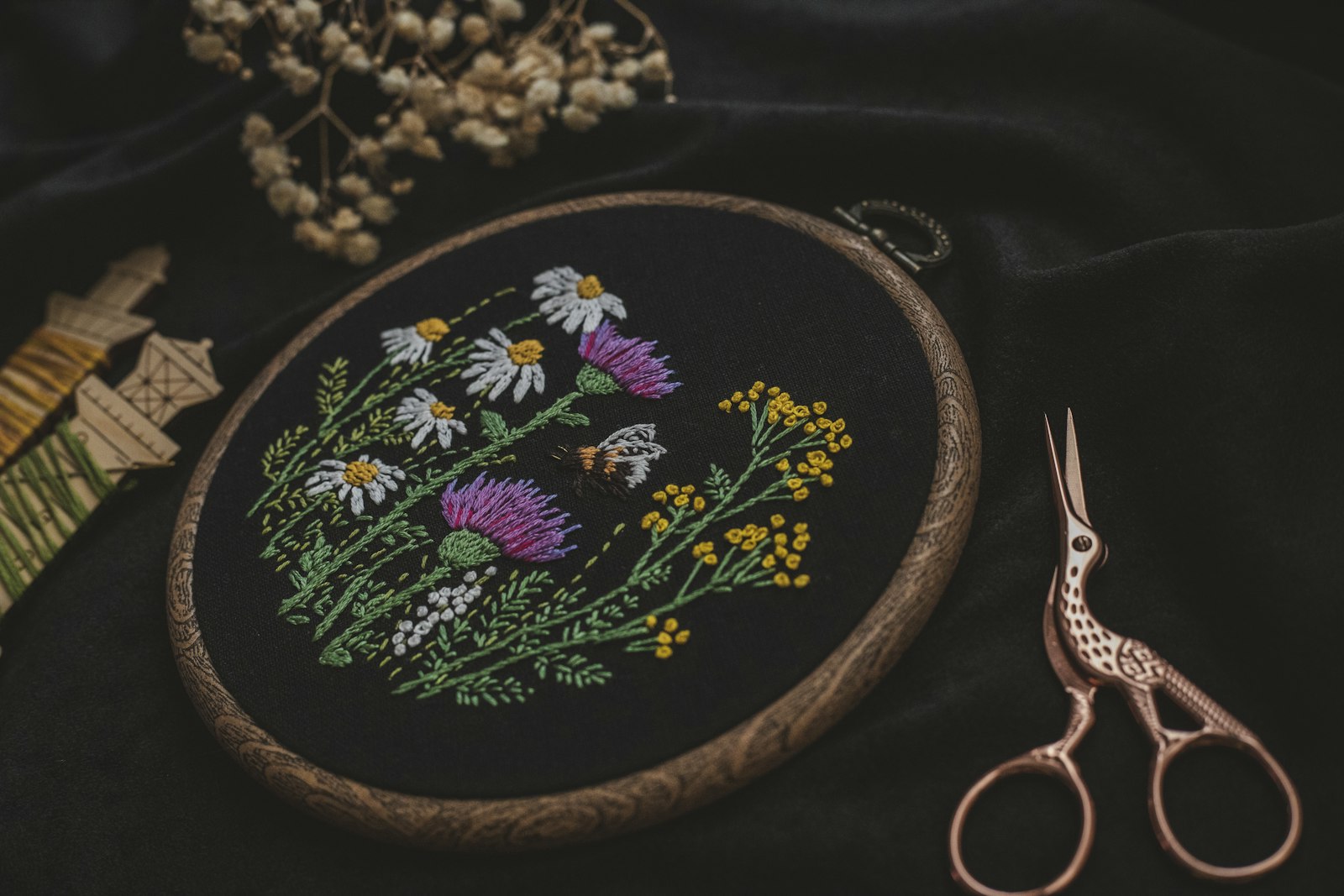
The honest baseline: at Johnny Was prices, all four of these should pass without excuses. The brand documents its work as artisan-inspired, and third-party reviewers consistently describe the thread painting as the pieces’ best feature — dense enough in places to read like it was painted on rather than stitched. But the same reviewers who praise the design also document what happens when production slips, and production slipping is a corporate-brand risk now, not a workshop one.
Reading the product photos before you buy
The photo audit costs nothing and catches most of what the arrival check would catch, two weeks earlier. Product galleries on johnnywas.com run several frames per garment, and each one answers a different question. The full-length shot answers silhouette and scale: whether the embroidery is dense over the whole body or concentrated on the yoke and cuffs, because concentrated placement is cheaper to produce and easier to wear. The zoomed detail shot answers the four checks above — and if the gallery never zooms in on the densest embroidery, that absence is itself a finding, because a brand confident in its stitch work shows it off.
Watch the fabric behavior around the design in every frame. A ground fabric that ripples between motifs in the photo will ripple worse in person, because photography flattens texture and the camera does the puckering no favors anyway. Backlit or bright-light frames show another tell: shading differences where the embroidery pulls the ground fabric tighter read as faint halos around each motif, and they predict exactly where the garment will look wrinkled after its first wash. The same audit order we apply in reading a product listing applies here — spec table and construction evidence first, styling shots last.
The brand context that changed the risk
For its first decades Johnny Was was a wholesale label, and the boutique era starting in 2010 kept design close to production. After the Oxford Industries acquisition, the brand reports to a parent that also owns Tommy Bahama and Lilly Pulitzer — companies that manage apparel pricing the way portfolio managers manage assets. What that changes for a buyer is not the design, which remains genuinely distinctive; it is variance. Bigger production runs across more factories mean the piece you receive can differ from the piece a reviewer loved two seasons ago — different factory, different digitizing file, different tension on the frame, and the embroidery carries all three differences visibly.
That variance is exactly why the inspection list exists. The same audit method we apply to any listing works here: zoom into the densest part of the product photo before buying, and hold the delivered piece to the same standard on arrival. Where the two disagree, the return window is your only leverage — so it is worth reading the final-sale policy before the embroidery, not after. The durability picture from the bag side of this diary translates directly: documentation you can point to beats goodwill you have to argue for.
How the embroidery ages
An embroidered blouse is a compound garment, and it ages on two timelines that can drift apart. The ground fabric ages by laundry — cotton gauze softens, silk develops a patina — while the embroidery ages by abrasion, tension and heat. The failure modes are predictable:
- Puckering from shrinkage. Cotton embroidery thread and the ground fabric shrink at different rates. A hot wash or a hot dryer pulls the design into permanent wrinkles around every motif. Cool water and flat drying are not precious care habits at this price; they are what keeps the stitch work flat.
- Thread loosening and bead loss. Abrasion at cuffs, waistbands and anywhere a bag strap crosses will work beads loose over a season. The bead-anchor check on arrival predicts how fast this happens — individually anchored beads survive, running-stitch beads do not.
- Ironing damage. A hot iron flattened onto satin-stitch embroidery melts sheen off rayon thread and glazes the design. Press embroidered pieces from the reverse side over the plain fabric, or steam them hanging.
- Storage creases. Folding through a dense embroidered panel sets a permanent line across the stitching. Hang the heavy pieces, and pad the folds on anything that must live in a drawer — the same discipline described in storing knitwear between seasons.
None of these failures is exotic; they are the same mechanics that reading stitching quality describes for seams, relocated onto decorative thread. The advantage of knowing them in advance is that two of the four — heat and fold creases — are entirely under your control from the first wear.
Which pieces carry the embroidery best
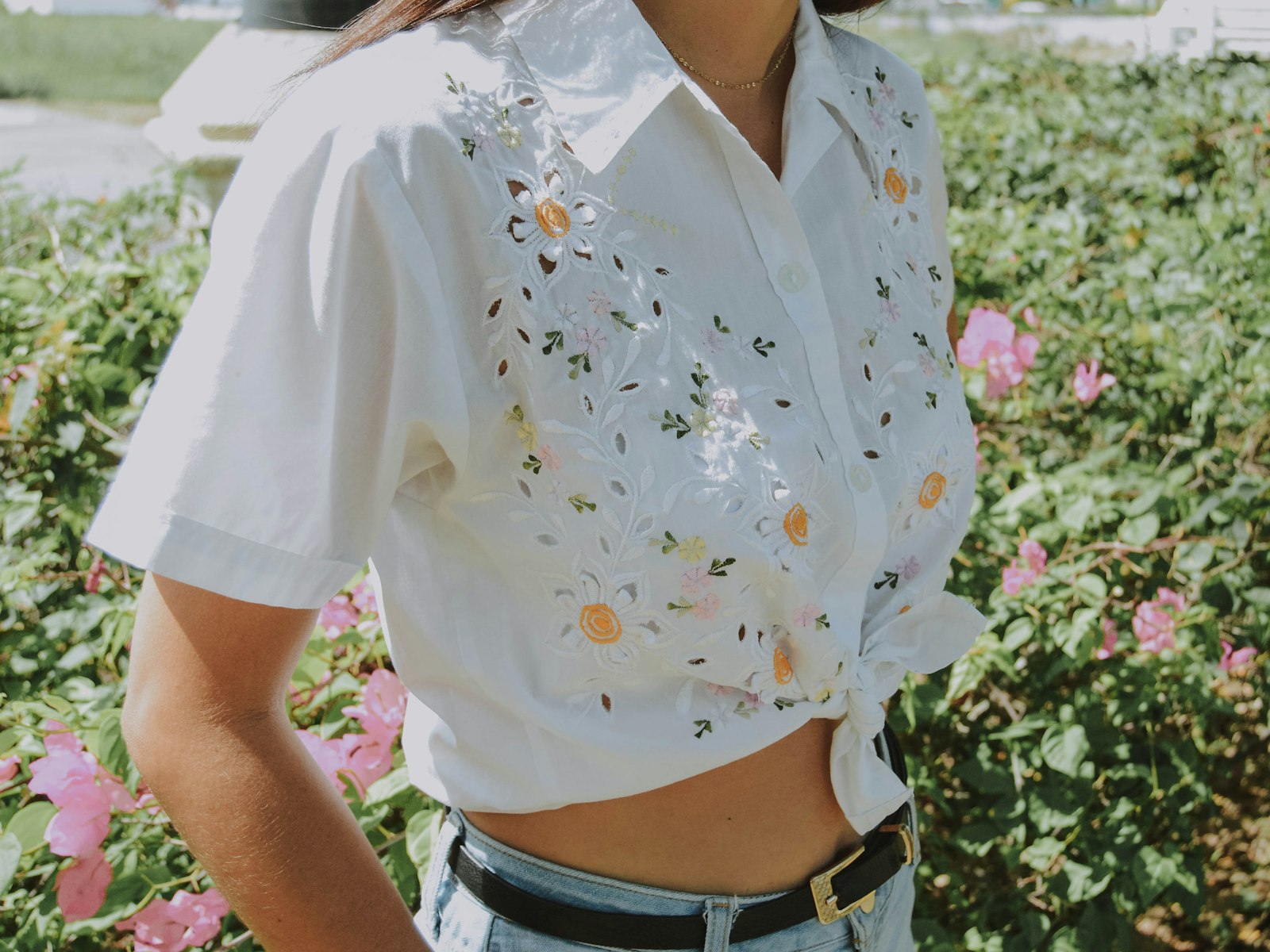
The signature work concentrates in three places on the storefront. Embroidered tops — mandarin-collar shirts and tunic cuts documented by reviewers at high-$200s prices — are the entry tier, and the most versatile, because one blouse does the work of an entire outfit over plain trousers or denim. Silk kimonos are the collectible tier: the label’s 100% silk long kimonos, with the Aziza documented by reviewers as a current example, run to the highest prices the brand sells and are treated by long-time customers as wardrobe investments rather than seasonal clothing. Dresses and caftans split the difference, with the largest embroidered surfaces and the most sizing risk, since a design centered on the body exaggerates any fit error — the fit arithmetic in brand size charts converted applies before any embroidered dress purchase.
The picks below follow those tiers. All three land on the brand’s own storefront, and the third is our partner storefront, which reaches the same catalog — its homepage is also where the sale sections sit, the cheapest entry point for a first inspection piece.
| Embroidered tops | Silk kimonos | Partner storefront | |
|---|---|---|---|
| Badge | Signature look | Investment piece | Same catalog, sale entry |
| Where | Brand tops shop | Brand kimono shop | Partner landing |
| Typical price | High $200s | Up to ~$1,800 | Under $100 on sale |
| Best for | One piece does the outfit | Collector-grade embroidery | First purchase |
Comparison prices reflect documented third-party reviews and the brand’s own sale listings, checked November 2026.
The trade-offs, stated
The real risk with Johnny Was is not that the embroidery is bad — it is that the price assumes it is perfect, and a mid-luxury corporation ships enough volume that some pieces are not. A Trustpilot profile sitting at 2.2 out of 5 from a small, unclaimed review base at the time of writing, dominated by fit and quality complaints, is not a representative sample; it is a signal to inspect on arrival rather than trust the unboxing. Colorfastness is the quieter version of the same risk: jewel-tone dyes and high-contrast thread combinations are exactly where bleed shows first, so the first wash should be cold, alone, and inside-out — a $300 blouse does not get a tolerance test on its maiden laundry.
Buy the first piece cheap if you can — the sale sections regularly drop below $100 — run the four checks above on it in daylight, and only then decide whether the collectible tier is worth its price. The cost-per-wear arithmetic settles that question honestly: an embroidered blouse worn thirty times a year is cheap at $300 and expensive at three. The picks above cover both ends of that decision, from a first sale-section test piece to the silk kimonos the brand treats as its signature.
The picks
Buying through links below may earn us a commission — it does not change your price.
- 1
Embroidered tops — Signature look
The tier the brand is known for: mandarin-collar shirts, tunics and multi-color floral embroidery on silk or gauze, documented by reviewers in the high $200s. Run the stitch-density, ground-fabric, trim and bead-anchor checks on arrival; one blouse here does the work of a whole outfit.
Check current price - 2
Silk kimonos — Investment piece
100% silk long kimonos at the top of the brand's price range, documented up to roughly $1,800, with the Aziza cited by reviewers as a current statement example. The fiber claim is absolute under labeling rules; the weight and weave are not published, so verify the drape in person before climbing to this tier.
Check current price - 3
Partner storefront — Same catalog, sale entry
Our partner landing reaches the same johnnywas.com catalog, homepage and sale sections included. It is the lowest-stakes entry point: buy a returnable sale-section piece first, run the embroidery checks on it in daylight, and climb the price ladder only if it passes.
Check current price
Comparison
| Embroidered tops | Silk kimonos | Partner storefront | |
|---|---|---|---|
| Where it sits | Signature tier | Statement tier | Entry tier |
| Typical price | High $200s | Up to ~$1,800 | Under $100 on sale |
| Fiber claim | Silk or cotton gauze, documented per piece | 100% silk on statement pieces | Varies by listing |
| Main risk | Fit variance across cuts | Weight and weave unpublished | Final-sale, no returns |
| Best for | One piece does the outfit | Collector-grade embroidery | First purchase |
FAQ
- Is Johnny Was embroidery done by hand?
- Most of it is machine embroidery executed with hand-guided finishing — beading, sequins and appliqué are sewn on afterward by hand. That combination is normal at this price point, and it is the finishing passes that are easiest to inspect on arrival.
- Why do Johnny Was pieces cost $200 or more?
- The price reflects multi-tone machine embroidery, silk and other natural fabrics, and design work that is genuinely distinct from the mass market. Whether that premium is worth it depends on the piece passing the stitch and drape checks below.
- What is the fastest way to judge embroidery online?
- Zoom to the densest part of the product photo and look at the edges of each flower. Crisp boundaries, no puckered ground fabric and no visible backing between petals mean a well-set design; blurred edges and rippled fabric mean the design was digitized or tensioned badly.
How to buy Johnny Was without paying the sticker price: the brand's price…
What Johnny Was actually sells under its silk, velvet and gauze labels: how to…
Fused, soft fused and unfused collars behave differently after washing and on…
Fill power is only half the number on a down jacket — the other half is how…