Denim by the Ounce: From Summer Pairs to Selvedge
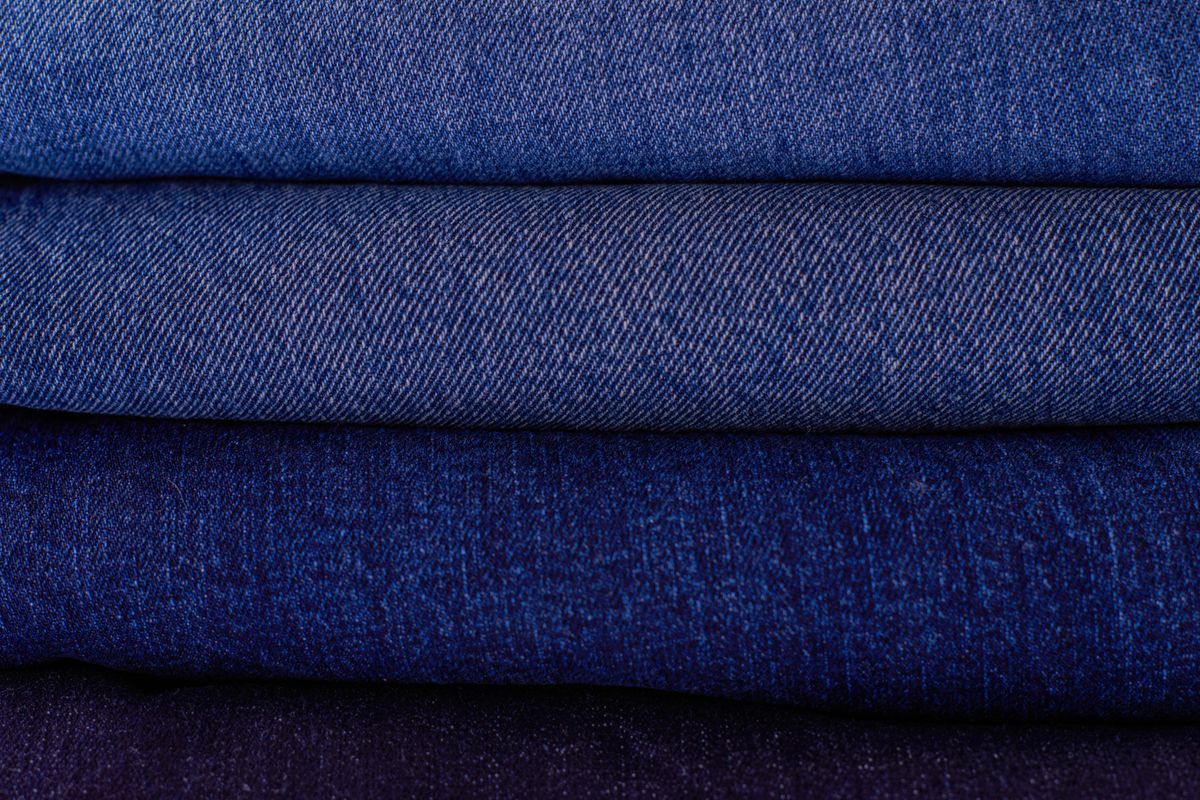
Denim is sold by weight: ounces per square yard of fabric. That one number predicts how stiff the first month feels, how long the pair lasts and how it fades. Brands print it inconsistently, but when they do, it is the first spec worth reading.
The weight tiers
Under 12 ounces is summer cloth. It breathes, breaks in within days and wrinkles with the body — comfortable immediately, less likely to survive a decade of hard wear.
Twelve to 14 ounces is the all-season workhorse range, and the right default for anyone buying one pair. It carries enough mass to drape and fade with crisp contrast, yet needs no ritual to wear. Most classic American and Japanese reproduction denim sits here.
Fourteen ounces and up is raw-denim territory, where the fabric arrives stiff and the break-in is the point. Heavyweights of 16 to 21 ounces take six months or more to conform, reward the effort with razor-sharp fades, and cost extra wear on the crotch and hem if the fit is wrong. Raw denim stretches back out with wear — a snug waist typically relaxes about half an inch within a week, so resist sizing up for comfort.
Raw, one-wash, sanforized: the shrinkage math
Finish matters more than weight for fit. Sanforized denim has been mechanically pre-shrunk at the mill, and mill documentation holds residual shrinkage to roughly 1 to 3 percent — buy your measured size. Unsanforized, or loomstate, denim has not been pre-shrunk; after the first hot soak it can lose 5 to 10 percent in length, often an inch and a half to three inches of inseam, and 1 to 3 percent at the waist. The trade standard is blunt: size up one in the waist, buy the inseam long, and control the first soak with water temperature — around 140°F maximizes shrinkage, cold minimizes it.
Hot water and machine drying accelerate both shrinkage and fading in any denim, which is why the care path is identical across tiers: cold, inside out, line dry. Elastane changes the math again — 1 to 3 percent stretch fibre buys comfort but degrades with heat, so stretch pairs age out faster than rigid ones.
Selvedge is a loom, not a grade
Selvedge — “self-edge” — denim is woven on narrow shuttle looms that finish the fabric edge in on itself, visible as the clean band inside the cuff. Shuttle-loom cloth runs roughly 30 inches wide, half the width of the 150-to-160-centimetre cloth modern projectile looms produce. The slow loom densifies the weave and gives denim more texture; that is the real argument.
But the edge is an origin mark, not a quality certificate. Judge any pair on the things that decide lifespan: flat-felled seams, bar tacks at pocket corners and belt loops, chain-stitched hems and a sturdy cotton pocket bag. A well-kept pair in any weave outlasts its price many times over — the arithmetic that makes cost per wear worth running on a $200 pair and a $60 pair alike.
FAQ
- What weight denim should I buy for everyday wear?
- 12 to 14 ounces covers most climates and body types. It is comfortable within a week, durable for years and heavy enough to develop fades. Under 12 ounces suits hot weather; reserve 14-plus ounces for raw-denim enthusiasts willing to break the pair in.
- How much will unsanforized raw denim shrink?
- Expect 5 to 10 percent in length on the first hot soak — commonly an inch or more off the inseam — and 1 to 3 percent at the waist. Size up one in the waist and buy the inseam long. Sanforized denim, mechanically pre-shrunk at the mill, holds residual shrinkage to about 1 to 3 percent.
- Is selvedge denim stronger than regular denim?
- The self-edge itself is not stronger; it is a finishing detail from narrow shuttle looms. Selvedge is worth paying for as a marker of slower, denser, more characterful weaving — but plenty of excellent denim has no selvedge edge, and some selvedge denim is mediocre.