Backpack Litres, Honestly Measured
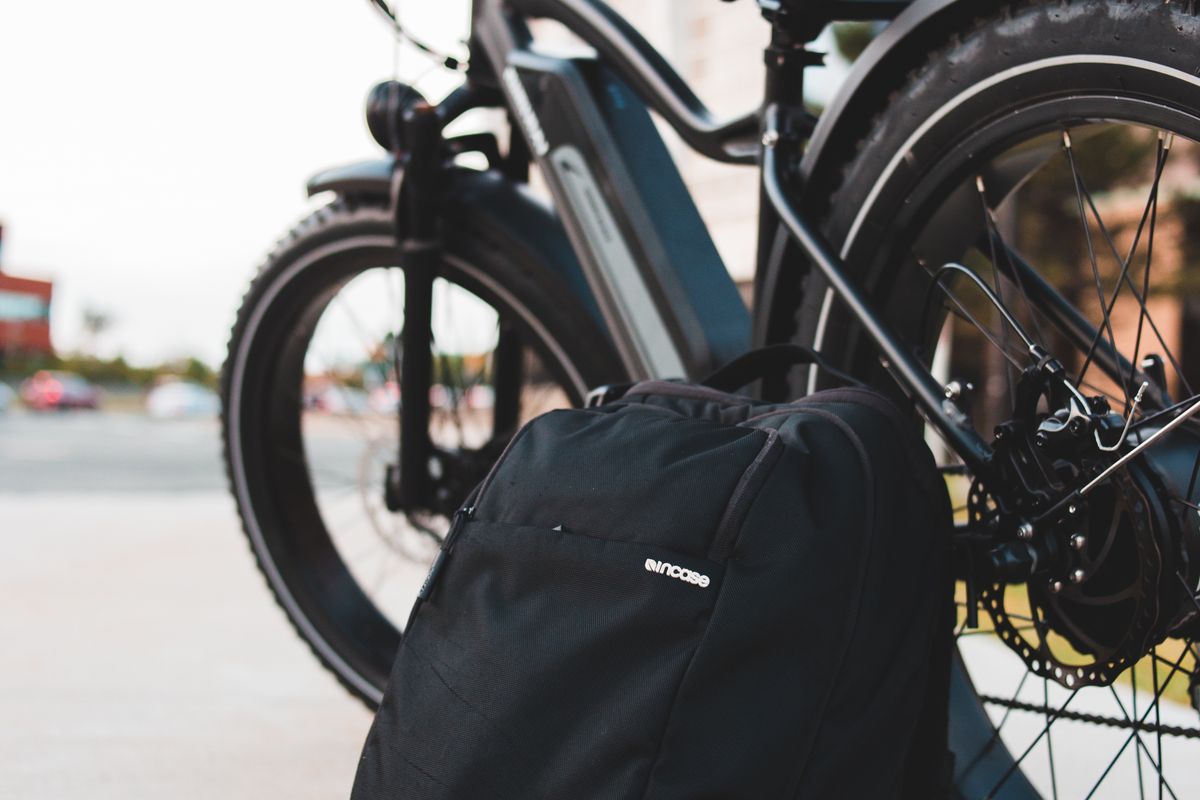
The litre figure is the most quoted and least understood number on a backpack listing. It looks precise. It is not standardised, and treating it as exact is the fastest way to order the wrong pack.
How makers arrive at the number
The common method is volume displacement: the maker fills each compartment with small pellets or balls, then measures what the fill added up to. The methodology is fine; the inconsistency is in what gets counted. Some brands sum only the main and laptop compartments, others add every external pocket, bottle sleeve and hip-belt pouch. Two packs labelled 20 litres can differ by several litres of usable space.
There is a voluntary ASTM test method for stating pack capacity, but a listing almost never says whether it was followed, so the number arrives without a method note. That makes the dimensions on the product page more trustworthy than the volume figure next to them — dimensions are checkable, and a brand that publishes them is putting its geometry on record.
The dimensions matter more
Height, width and depth decide what fits — a 15-inch laptop, a lunch container, a pair of shoes — far more directly than a volume figure. Reputable makers publish all three. Check the depth against the bulkiest thing you carry routinely, and the height against the laptop diagonal plus the sleeve’s top margin.
A worked example: a 15-inch laptop measures about 14 inches on the diagonal. Its sleeve needs that diagonal plus a margin at the top, and the sleeve’s depth decides whether the machine rides flat or wedged at an angle that strains the hinge. Two packs can both claim 20 litres — one at roughly 45 by 30 by 15 centimetres, another at 50 by 32 by 12 — and they swallow entirely different loads.
A practical size ladder
- 12–16 litres: wallet, phone, keys, a slim laptop, little else. Fine for minimalists; frustrating for anyone carrying lunch or a water bottle.
- 16–22 litres: the daily-commuter class — laptop, lunch, a layer, a water bottle. This is also the largest size that stays unobtrusive under a rail seat. Our commuter backpack guide covers what separates good packs in this range.
- 28–35 litres: overnight and weekend territory, or gym-kit territory. Beyond that you’re shopping for travel packs, and carry-on rules start to matter more than litres.
The one-minute sanity check
Before ordering, list the three largest things you carry on a normal day. Check each against the published compartment dimensions, not the litre figure. If the maker publishes no dimensions at all, treat the listing — and the litre number on it — as marketing rather than specification.
Then check that all three fit at the same time. A pack whose compartments pass the test one at a time but not together is smaller than its label. An external bottle sleeve deserves a specific look: a bottle carried inside the main cavity is the fastest way to dent a laptop, and it is the detail most listings fail to photograph.
FAQ
- How many litres do I need for a daypack?
- For a laptop, a water bottle and a layer, 16 to 22 litres covers nearly every daily-carry case. Weekend travel generally starts around 30 litres.
- Are backpack litre figures standardised?
- No. Most makers fill the main compartments with pellets or balls and report the volume, but some include every outer pocket and some don't, so two '20 litre' packs can differ meaningfully.
- Can I compare litres across brands?
- Only roughly. Use litres to narrow the size class, then compare the actual dimensions — height, width and depth — which honest makers publish and which determine what physically fits.